
123
DJDj
09/01 PARIS
09/24 Berlin
10/22 London
11/01 Paris
11/14 Paris
12/15 Barcelona
12/29 Houston
Latest Releases
123 Move Your Body
SEFAR
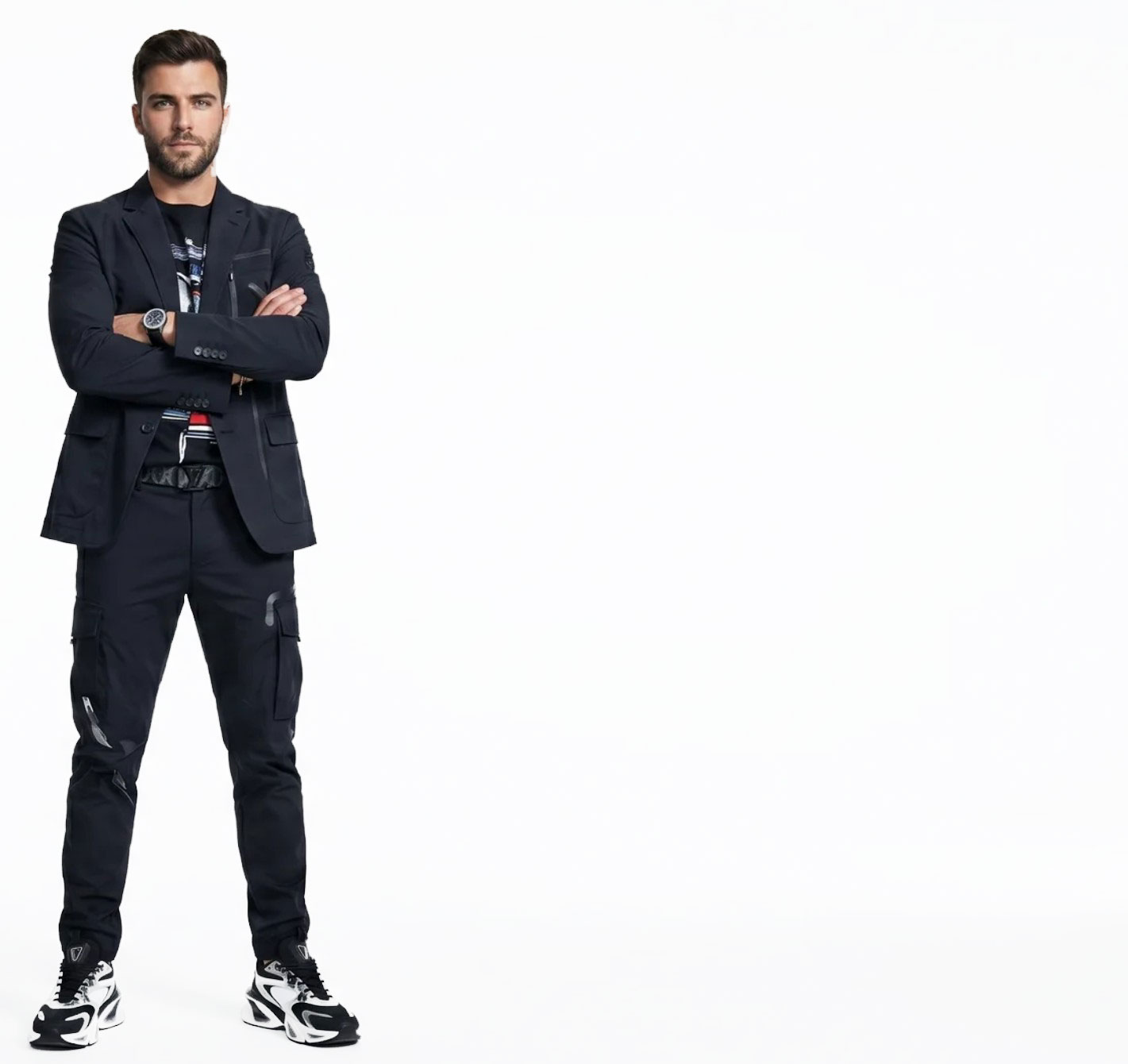

123
Get ready for an EXPLOSIVE video that will blow your mind
AFRO-POWER ELECTRIFIED
DJDJ isn’t just a performer; he is a sonic architect bridging the gap between ancestral spirits and digital frontiers. Born from the deep percussive traditions of the Ivory Coast’s Zaouli dances, he translates ritual motion into high-voltage electronic frequencies.
123 MYB
« 123 MOVE YOUR BODY is more than a track. It’s a physiological command. It’s the pulse of the jungle reborn in the motherboard. »
With a signature blend of hyper-fast breakbeats and atmospheric tribal synths, DJDJ creates a physical space where the primitive meets the futuristic. Every set is a ceremony, every beat a heartbeat.
Event
Hurry!
PARIS Aug 10
Jour(s)
:
Heure(s)
:
Minute(s)
:
Seconde(s)
2026 Tour
Aug 10
Paris, PAR
Sep 12
Berlin, BER
Oct 28
London, LON
Nov 15
Paris, PAR

About DjDJ
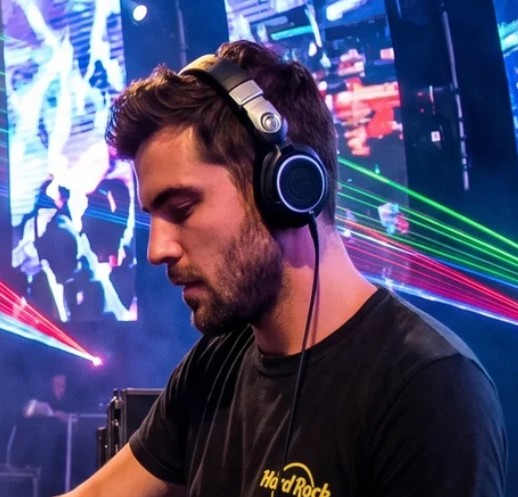
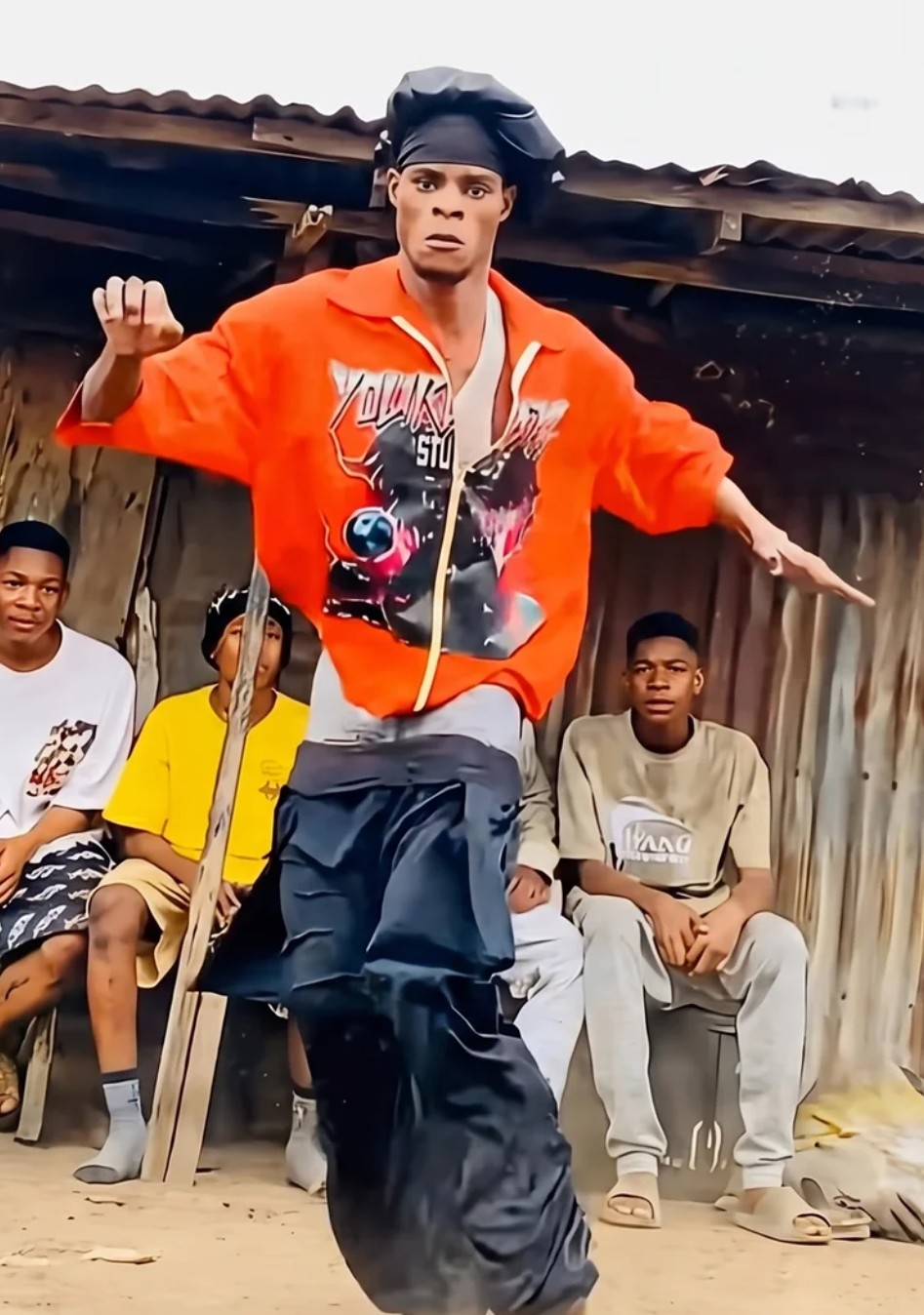
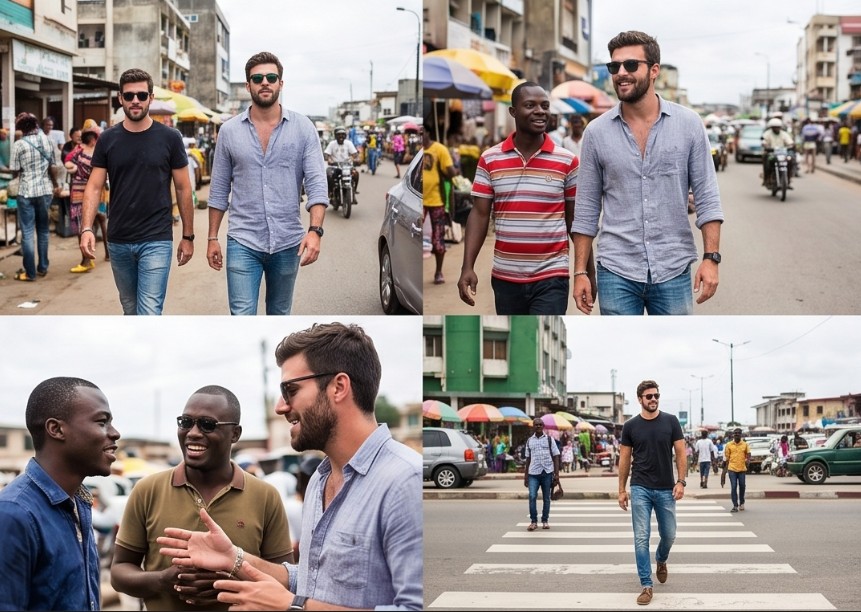
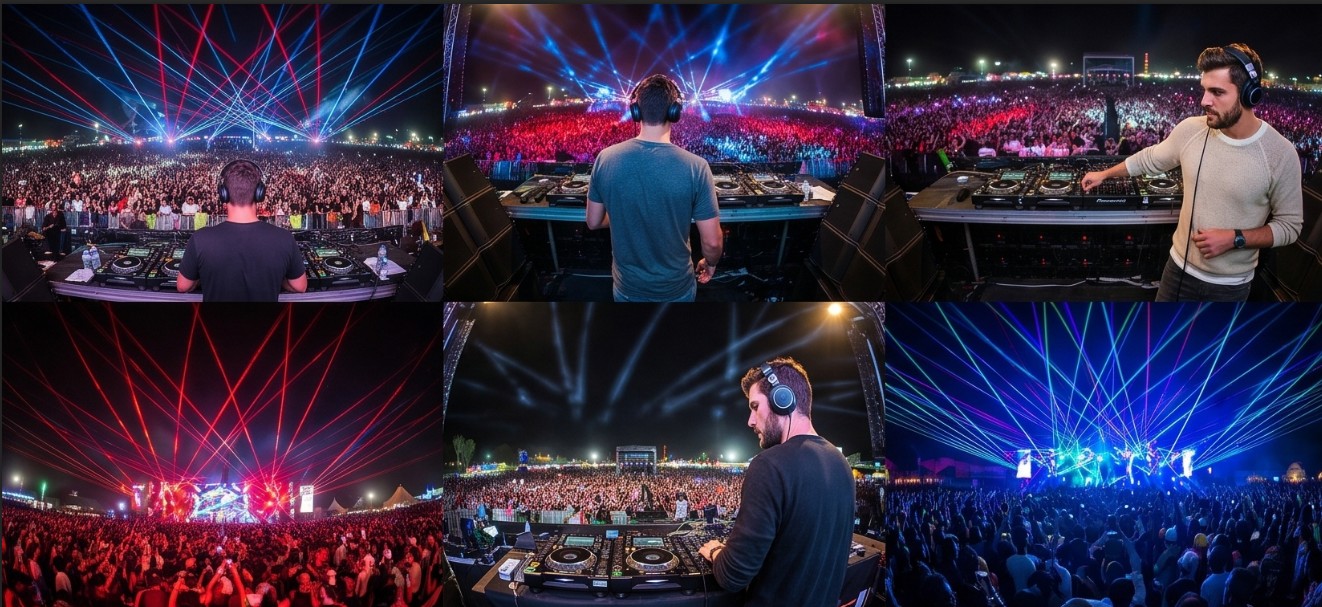
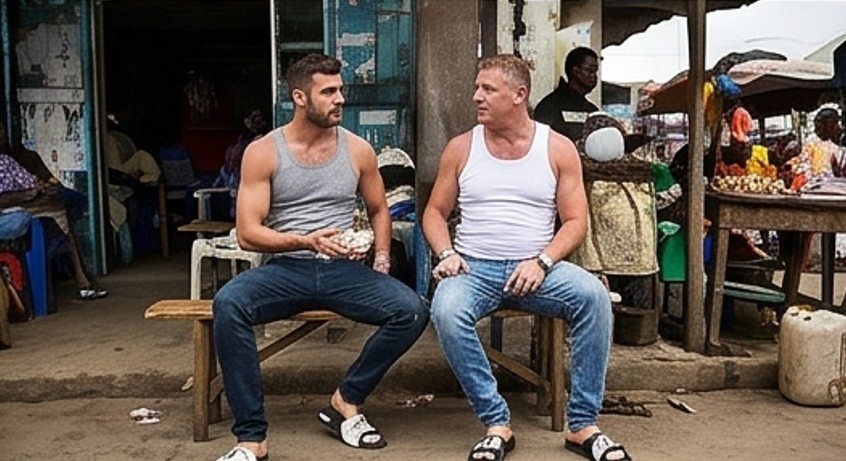
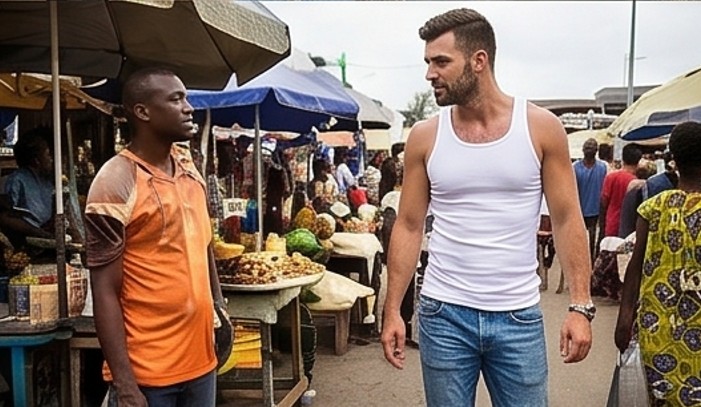
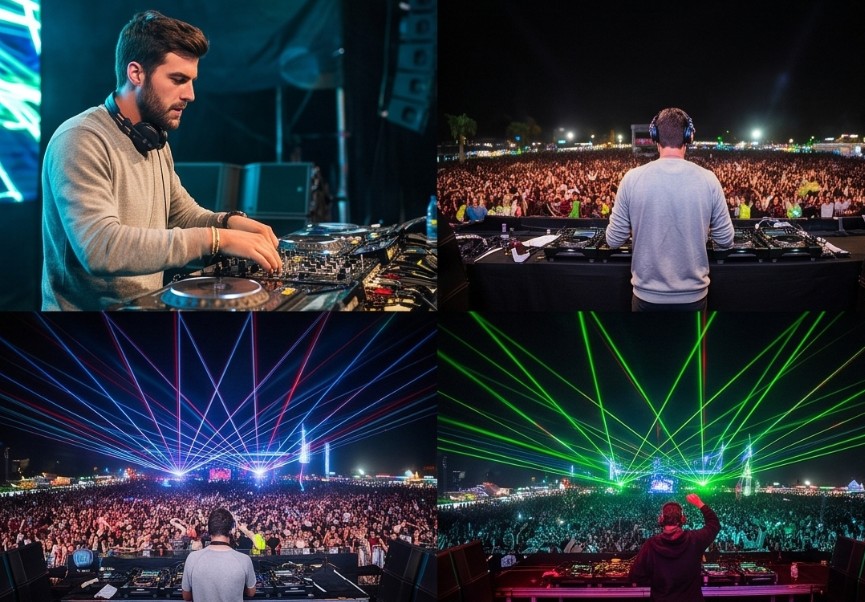
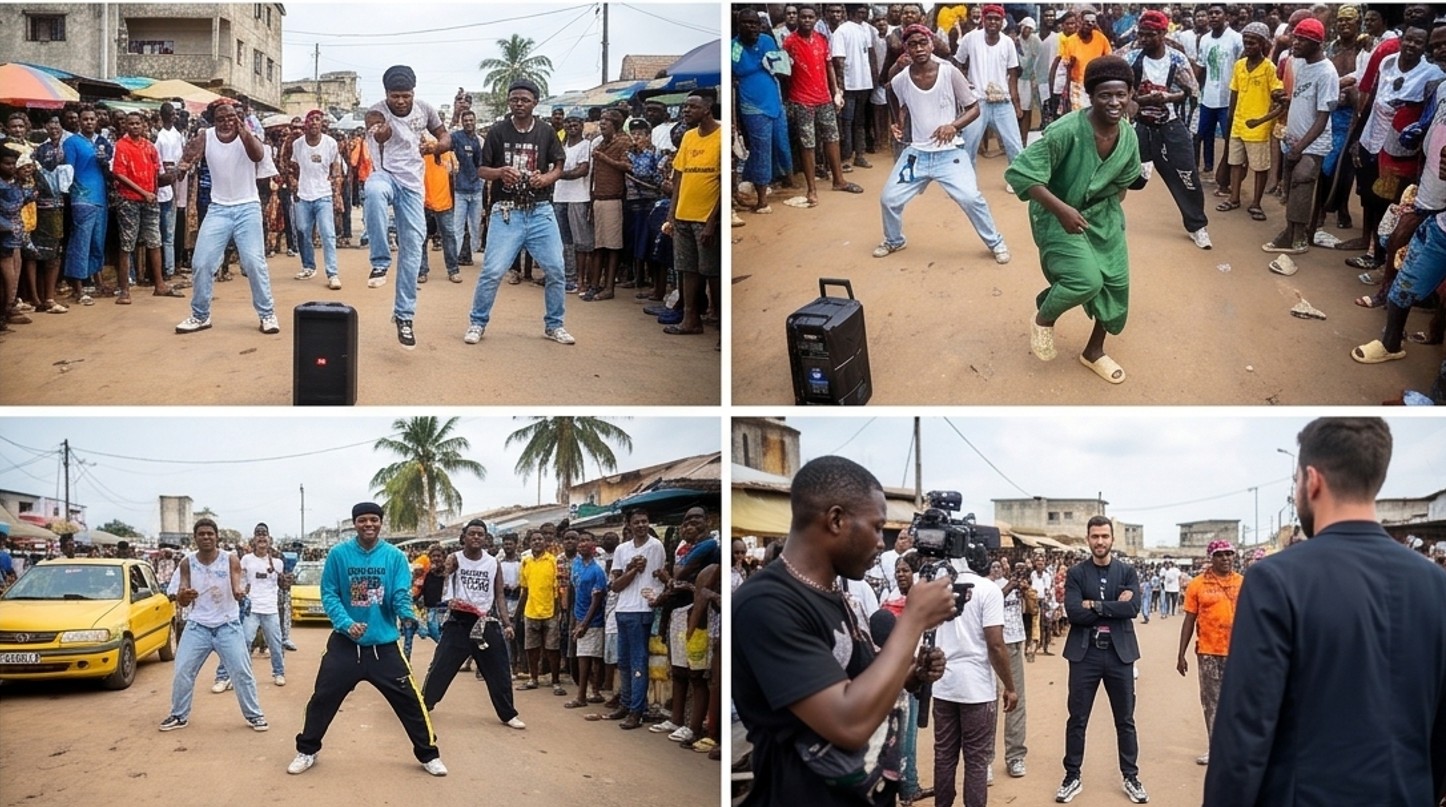
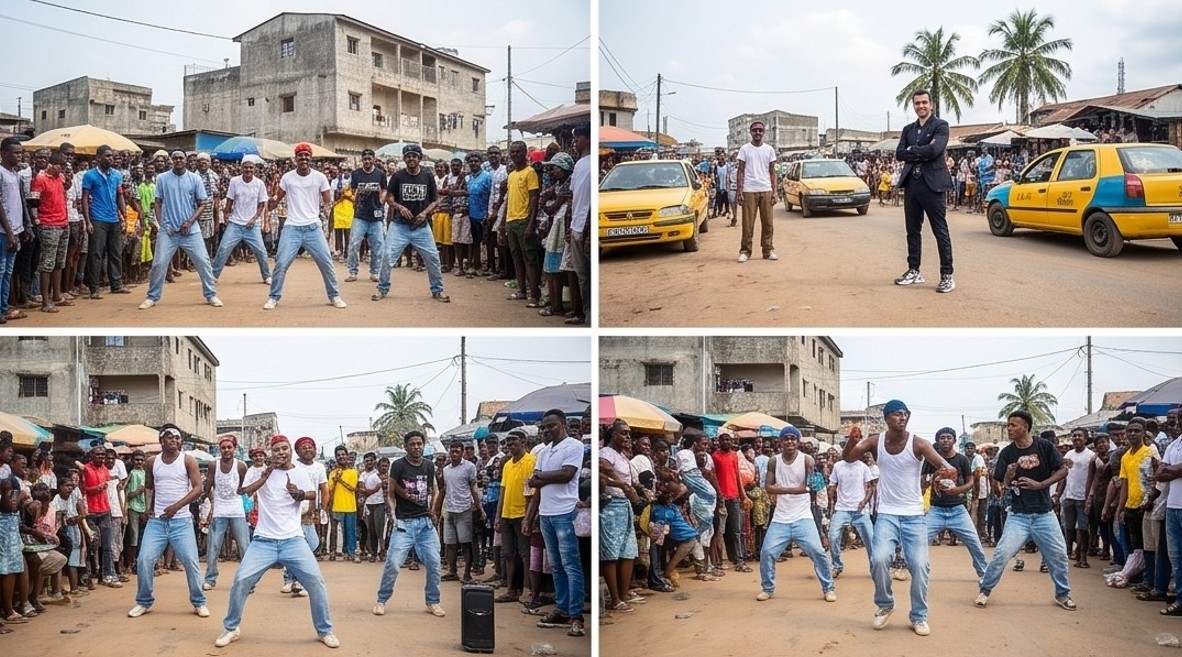
DJDJ is 29 years old, born somewhere between bass music and the sound of tam-tam drums. His real name? It doesn’t matter. Only the sound counts. From a very young age, he was immersed in traditional African rhythms: his grandfather played the djembe, his mother sang Guro melodies. At 15, he discovered electronic production and experienced a shock: he understood that the future of music is a marriage between Africa and electro. At 20, he released his first tracks on SoundCloud with no response, but he persisted, refined his sound, and broke the codes. Today, DJDJ has found his signature: explosive percussion, bewitching pads, and bass that makes speakers tremble. His music is a bridge between Abidjan, Paris, Lagos, and London. He draws inspiration from Zaouli, that sacred Ivorian dance with ultra-fast footwork; for him, every beat must move the body like a Zaouli mask. His flagship track is called « 123 MOVE YOUR BODY » , a title that smells of festival dust and dancefloor sweat, blending West African percussion, Guro vocals, and an acid drop. DJDJ doesn’t do things halfway: his music is a slap in the face.





Hello!
Contact
Booking Agent
Extra Space Talent Booking / Susan Wire / Susan@djdj.fr
Management
Monarch Entertainment / info@djdj.fr
Hire Me
Contact for Bookings
Follow Me
Zaouli
Is a sacred mask dance from central Côte d’Ivoire.
It belongs to the Guro people.
The mask represents a young woman named Djela Lou Zaouli.
Unesco listed Zaouli as intangible cultural heritage in 2017.
The dance is famous for its extremely fast footwork.
Some steps reach 240 movements per minute.
The dancer’s upper body stays almost completely still.
This creates a floating illusion that amazes viewers.
Traditionally Zaouli was performed at funerals and harvest festivals.
It honored ancestors and taught respect and unity.
Today young people have completely reinvented Zaouli.
They keep the sacred meaning but add modern energy.
TikTok is their main stage.
Instagram Reels and YouTube Shorts also play a big role.
Videos of young Zaouli dancers often get tens of millions of views.
The hashtag #Zaouli has trended worldwide many times.
Internet users call Zaouli the hardest dance in the world.
Young Ivorians film themselves practicing in their neighborhoods.
They challenge their friends to copy the footwork.
People from Brazil, Japan, and the United States join the challenge.
Many fail, but their attempts spread awareness and respect.
Local dancers become influencers with thousands of followers.
Some earn money through brand partnerships.
Others create online tutorials to teach Zaouli to foreigners.
Young girls and boys both learn the dance now.
In the past Zaouli was mostly performed by men.
Today young women are also leading troupes.
This change is very important for equality.
Festivals have become a second major space for young people.
The International Zaouli Festival takes place every year in Bouaflé.
Thousands of spectators come to watch young competitors.
Troupes represent different villages and neighborhoods.
New categories have been added, such as urban Zaouli.
Dancers mix traditional steps with hip-hop and afrobeat.
The original footwork and posture remain strictly respected.
The federation Fezadam-Ci organizes workshops for children.
Kids as young as six start learning basic movements.
Inter-school competitions keep the art alive and competitive.
In Abidjan, the economic capital, Zaouli is everywhere.
Young dancers perform at music festivals and cultural events.
They are also hired for political rallies and private parties.
Getting paid to dance has made Zaouli a career option.
This economic incentive attracts even more young people.
The Ivorian diaspora plays a crucial role too.
Young Ivorians living in Paris, London, Brussels and Berlin teach Zaouli.
Workshops in European cities are often full.
Non-African participants learn and share the dance.
This global exchange strengthens pride back home.
Pop culture has noticed Zaouli as well.
The K-pop group Nature used Zaouli moves in their video Rica Rica.
The rapper M.I.A. included Zaouli in her clip Warriors.
Electronic music videos copy the footwork for visual effect.
Street artists paint Zaouli masks on walls in major cities.
Some video games have characters inspired by the dance.
Young Ivorians feel proud to see their culture valued worldwide.
Transmission has not disappeared. It has evolved.
Young people still learn from village elders.
But they also learn from YouTube and Instagram.
They mix oral tradition with digital tools.
Associations protect authenticity very strictly.
You cannot dance Zaouli in public without permission.
A traditional chief must bless the dancer before a performance.
Young people follow this rule without exception.
They organize ceremonies to honor the mask.
This balance between innovation and respect is the key.
Why does this matter for the rest of the world.
Zaouli proves that tradition is not a museum piece.
It is a living, breathing art form.
Young people are the drivers of this survival.
They use phones, social media, and competitions.
They keep their ancestors alive while inventing the future.
African heritage shines globally thanks to them.
Zaouli teaches discipline, patience, and community.
Every view on TikTok is a vote for cultural survival.
Every dance challenge is a tribute to the Guro people.